
Managing Doorway Manners: Stop Door Dashing for Good
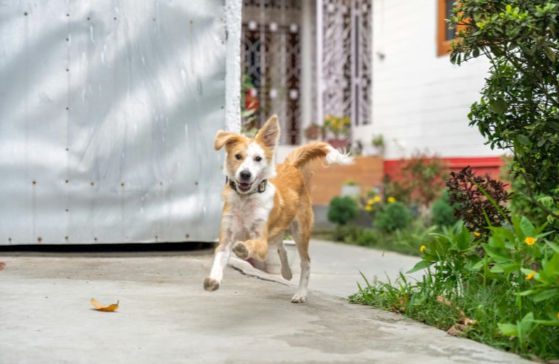
Door dashing is one of the most common — and dangerous — behavior issues dog owners face. Whether it’s rushing guests, bolting into the yard, or charging out the front door, poor doorway manners put dogs at risk and create daily frustration.
The good news? Door dashing isn’t about excitement alone — it’s a training and structure issue that can be resolved with clarity and consistency.
Why Dogs Dash Through Doors
Doors represent opportunity. Outside smells, movement, people, and freedom all create excitement, especially if a dog has learned they can push past boundaries.
Common reasons door dashing develops include:
High excitement or arousal
Lack of impulse control training
Inconsistent rules around doors
Accidental reinforcement (the door still opens)
No clear release cue
Without guidance, dogs make their own decisions.
Why Doorway Manners Matter
Door dashing isn’t just inconvenient — it’s unsafe. Teaching dogs to pause at thresholds builds more than just manners.
Good doorway behavior helps with:
Preventing escapes
Reducing anxiety and overstimulation
Improving overall impulse control
Creating calmer greetings
Increasing owner confidence and safety
Small habits at doors carry over into everyday life.
Teaching the Door as a Training Opportunity
Doors should be treated as structured moments, not rushed transitions. Training begins before the door ever opens.
Effective steps include:
Asking for a calm behavior (sit, place, or wait)
Opening the door only when the dog remains composed
Closing the door if the dog breaks position
Releasing the dog intentionally once calm
The dog learns that patience controls access.
The Role of Consistency and Timing
Doorway training only works if expectations stay the same every time. Inconsistent rules create confusion and frustration.
Consistency means:
The dog never pushes through on their own
Everyone in the household follows the same rules
Calm behavior is always required first
Releases are clear and intentional
Repetition builds reliability.
Managing Excitement During High-Pressure Moments
Guests, deliveries, and busy times can make doorway manners harder. These moments often require extra management while training improves.
Helpful strategies include:
Using a leash indoors
Sending the dog to place before opening the door
Practicing with low-level distractions first
Gradually increasing difficulty
Set your dog up to succeed, not fail.
Why Correcting Alone Doesn’t Fix Door Dashing
Stopping a dog physically without teaching an alternative doesn’t build understanding. Dogs need a clear job, not just a “no.”
Training works best when dogs are taught:
What to do instead
When they are allowed to move
How calm behavior leads to freedom
Structure replaces chaos.
Final Thoughts on Managing Doorway Manners
Door dashing isn’t a personality flaw — it’s a lack of clarity around boundaries and impulse control. With consistent expectations, structured practice, and calm leadership, dogs can learn to pause, wait, and move through doors safely.
If doorway manners are a daily struggle in your home, the team at Perspective K9 can help you create calm, reliable habits that keep your dog safe and your routines stress-free.


Comments